Integrated Semicon Production Line Layout Design Matching Die Bond, Wire Bond, Grind, Dice & Film Processes
Minder-Hightech is a company that focuses on making high-tech products. One important part of our work is designing a production line for integrated semiconductors. This line includes several processes like die bond, wire bond, grind, dice, and film. Each of these steps is important and needs to be in the right order so that everything works well together. When we talk about these processes, we mean the specific tasks that help create small chips used in many electronic devices. A good design will help our production line run smoothly and quickly.What You Need to Know
When you think about making semiconductors, it's helpful to know what each process involves. Die bonding is when the tiny chip is attached to a base. It’s like gluing a picture onto a piece of paper. Then, wire bonding is where tiny wires connect the chip to the rest of the circuit. This step is crucial because it allows electricity to flow through. After that comes grinding, which makes the chip thinner and ready for the next steps. Dice is when we cut the chips into individual pieces, and film processes involve adding protective layers. Each stage has to be carefully planned. If one step goes wrong, it can cause problems later on. Understanding these steps helps us know how to improve the production line. A well-thought-out production line doesn’t just happen. It takes planning and organization. For example, we need to think about how close each process is to one another. If die bonding is too far from wire bonding, it can slow things down. Instead, we should arrange them so workers can move smoothly from one station to the next. Also, using the right machines is important. Some machines work better for certain tasks, so we choose tools that fit best for each step. This way, we save time and make fewer mistakes. Training workers is also necessary. They need to know how to operate the machines and understand the process. This helps in creating a team that works well together.
How to Optimize Your Integrated Semicon Production Line for Maximum Efficiency
Making the production line as efficient as possible is very important. One way to do this is to use automation. Machines can do some tasks faster than people. For example, using robots for the wire bonding process can increase speed and reduce errors. Robots don’t get tired, and they can work continuously, which helps us produce more chips in less time. Another way to optimize is by regularly checking machines. If a machine breaks down, it can slow down the entire production line. Routine maintenance helps avoid these problems. We also look at the layout of the production line. If everything is organized well, workers can find what they need quickly, and they don’t waste time walking around. Another thing to think about is communication. Having clear signs and instructions helps everyone know what to do. We can also use digital tools to track progress. This way, if something goes wrong, we can quickly find the issue and fix it. Team meetings help too. When everyone shares their thoughts, we can come up with new ideas to improve the process. Sometimes, small changes make a big difference. For instance, if we find a faster way to grind the chips, we save time and costs. Lastly, always be open to feedback. Workers on the production line often have great ideas because they see how things work every day. Listening to them can lead to better solutions and a more efficient production line.
Where to Find Top Integrated Semicon Production Line Layout Experts
If you want to make things like computer chips, you need a good layout for your production line. This is where experts come in. These experts know how to design spaces where machines work together to build semiconductor processing. A great place to find these experts is at companies like Minder-Hightech. They have skilled workers who understand how to set up a production line that includes important steps like die bonding, wire bonding, grinding, dicing, and film processes. Online resources are valuable too. Websites, forums, and social media groups are filled with discussions on semiconductor production. You can find articles, videos, and tutorials that explain how to design a good layout. Many of these resources are free and can help you understand what you need for your production line. Remember, a good layout is not just about fitting machines in a space; it’s about making sure they work well together. This is why finding the right expert is so important for your production line success.
Where to Source High-Quality Grind, Dice & Film Processes for Your Production Line
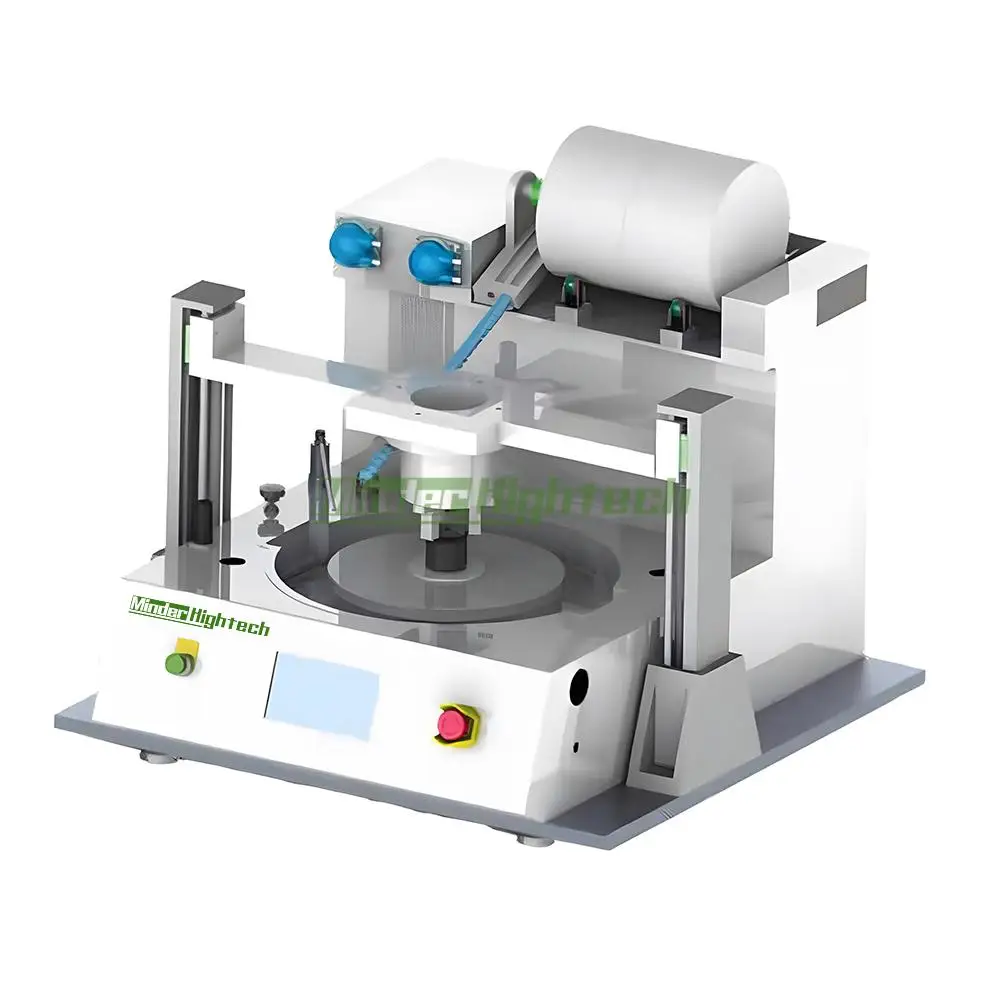
When creating semiconductors, it’s crucial to have high-quality processes for grinding, dicing, and film application. Minder-Hightech offers some of the best solutions for these processes. Grinding is the step where materials are smoothed out to make them ready for the next stages. If grinding is not done well, it can cause problems later on. That’s why using high-quality grinding machines is important. They should be precise and efficient to avoid wasting materials and time. Film processes are equally important. This is when layers of materials are added to the Semiconductor laboratory machine. Good film processes can improve the performance of the chips. At Minder-Hightech, they focus on using the latest technology to apply films evenly and effectively. This helps ensure that the finished semiconductors work well and meet high standards. Sourcing high-quality grind, dice, and film processes from trustworthy companies like Minder-Hightech is essential. It helps you produce better semiconductors and stay competitive in the market.
How to Improve Product Quality Through Smart Integrated Semicon Layout Design
Improving product quality in semiconductor production is all about smart design. When you create a layout for your production line, think about how each step connects to the next. A good layout reduces the distance between machines and minimizes the time it takes to move materials. When everything is close together, it helps workers do their jobs faster and more accurately. Another important factor is training. A well-designed layout is only as good as the people using it. Make sure your team knows how to work with the machines and understand the layout. They should be trained on the best practices and understand how their work affects the overall quality. Regular check-ups on the Semiconductor equipment and processes can also help catch issues early. Lastly, listen to feedback. Workers on the floor often have great ideas about how to improve the layout. They can tell you what works and what doesn’t. By involving the team in the layout design, you can create a space that boosts efficiency and improves product quality. With a smart integrated layout from Minder-Hightech, you can ensure that every step in the production line works together to create high-quality semiconductors.